From the vantage point of 2026, the San Francisco Shock’s decision to sign Brice “FDGod” Monsçavoir still feels like a door swinging open in a quiet room. The offseason had already bared its teeth: Grant “moth” Espe was gone, and the Shock’s support line suddenly had a hole where a championship anchor used to stand. San Francisco did not panic. It went out and found a French prodigy whose Lucio play had already made the Paris Eternal one of the most watchable teams in the league.
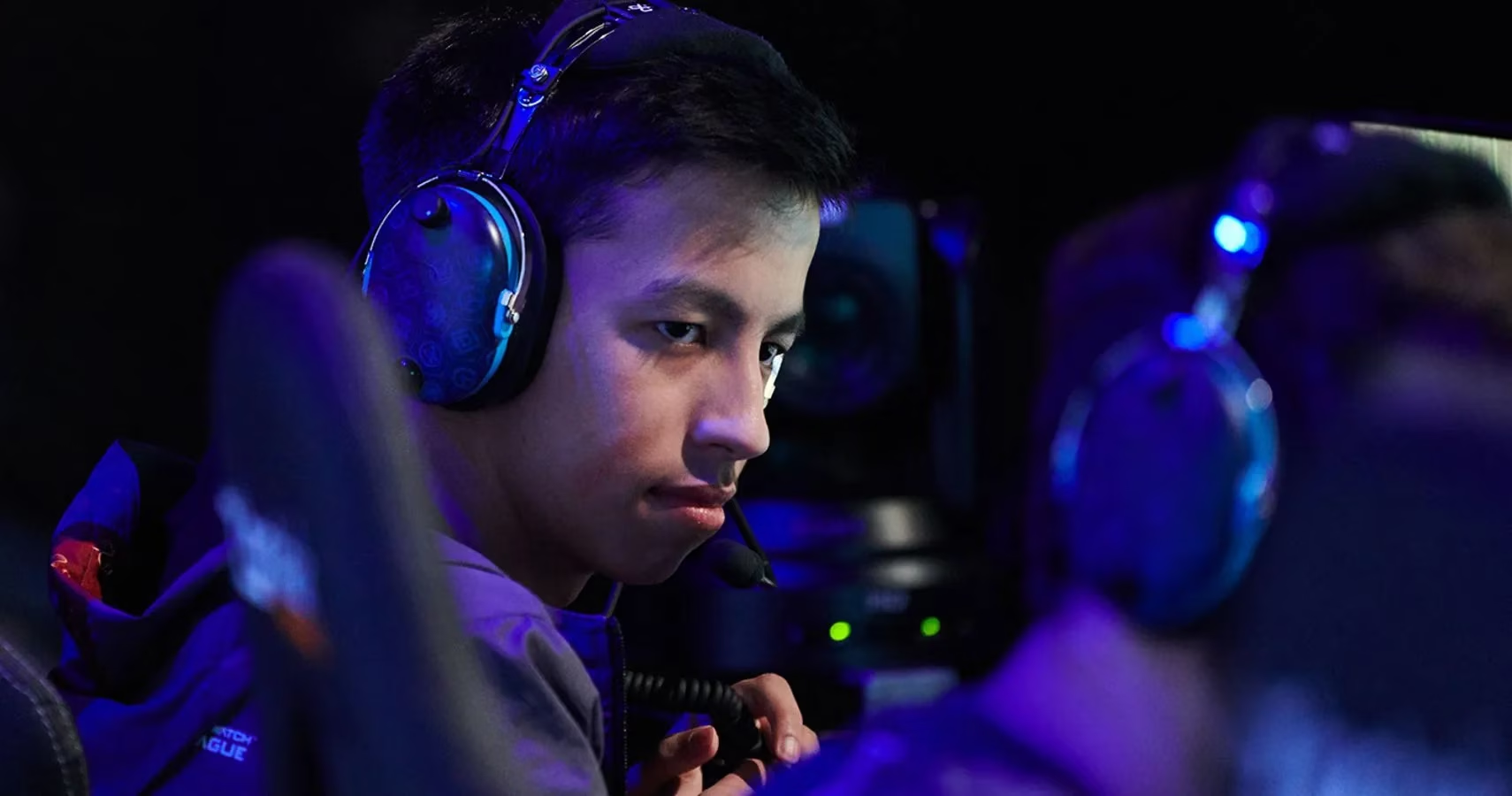
The move was not just a patch job. FDGod had burst onto the Overwatch League scene with the Paris Eternal during the 2020 season, and he did it with a style that refused to whisper. His uber-aggressive Lucio play was the kind of thing that made coaches reach for clipboards and fans reach for the rewind button. He helped the Eternal win a Summer Showdown championship and finish fourth in the overall standings. By the end of the year, he had been recognized as a Support Role Star for 2020, a stamp of approval that said the debut was no fluke.
For San Francisco, the timing was sharp. Moth had been more than a support player; he had been part of the team’s championship architecture. Losing him was a massive blow, the sort that can make a roster feel like a table with one leg sawed short. The Shock, however, had a coach named Dae-hee “Crusty” Park, and that changed the calculation. Crusty had already shown an ability to shape talented players into something more than their highlight reels. With him guiding FDGod, the question was not whether the Frenchman could fit. The question was how high the ceiling might go.
That is the scary part for the rest of the league. A mechanically gifted, aggressive Lucio player is dangerous on his own. A mechanically gifted, aggressive Lucio player who learns the Shock’s discipline, rotations, and championship habits is a different problem entirely. You could almost hear the rest of the league gulp. The Shock were not simply replacing a legend with a rookie; they were betting that the next version of their support line could be faster, louder, and just as effective.
At the time, the logic was simple: San Francisco would be just fine in 2021. The team still had the best coach in Overwatch history and a roster packed with talent despite losing strong pieces in the offseason. A three-peat would be difficult — make no mistake — but FDGod was the sort of variable that could tilt the equation. If he could elevate his game beyond what he showed in Paris, he would be a major factor in any championship push.
From the 2026 perspective, the move reads as a case study in how great teams rebuild. They do not always replace like with like. Sometimes they replace a steady hand with a live wire and trust the coaching staff to teach the wire where to strike. The Shock lost Moth’s legacy, but they gained FDGod’s volatility, and volatility can be a weapon when it is aimed correctly.
The story also carries a quiet warning. Replacing a legend is never a straight line. It is a bet on potential, on system, and on the patient work of a coach who can turn aggression into structure. The Shock made that bet with open eyes. In 2021, the league watched to see whether the French phenom could become the next cornerstone. By 2026, the transaction still stands as a reminder that San Francisco’s machine was never built on one player alone — it was built on the nerve to keep evolving.
And that, perhaps, is why the FDGod chapter still lingers. It was not just about filling a gap. It was about refusing to let a gap define the team. The Shock looked at a hole in the roster and saw a door. Then they walked through it.
Comments