I still get a rush of nostalgia thinking back to April 2022. After what felt like an eternity of silence from Blizzard, the company finally dropped the news many of us had been waiting for: an Overwatch 2 PvP beta was on the way. The hype was so real that the sign‑up servers buckled within minutes. Fast‑forward to 2026, and Overwatch 2 has become a mainstay with a thriving competitive scene, a growing roster of heroes, and constant evolution. But none of it would have happened quite the same way without that first playable slice. Let me walk you through how that beta laid the groundwork for the game I log into every evening.
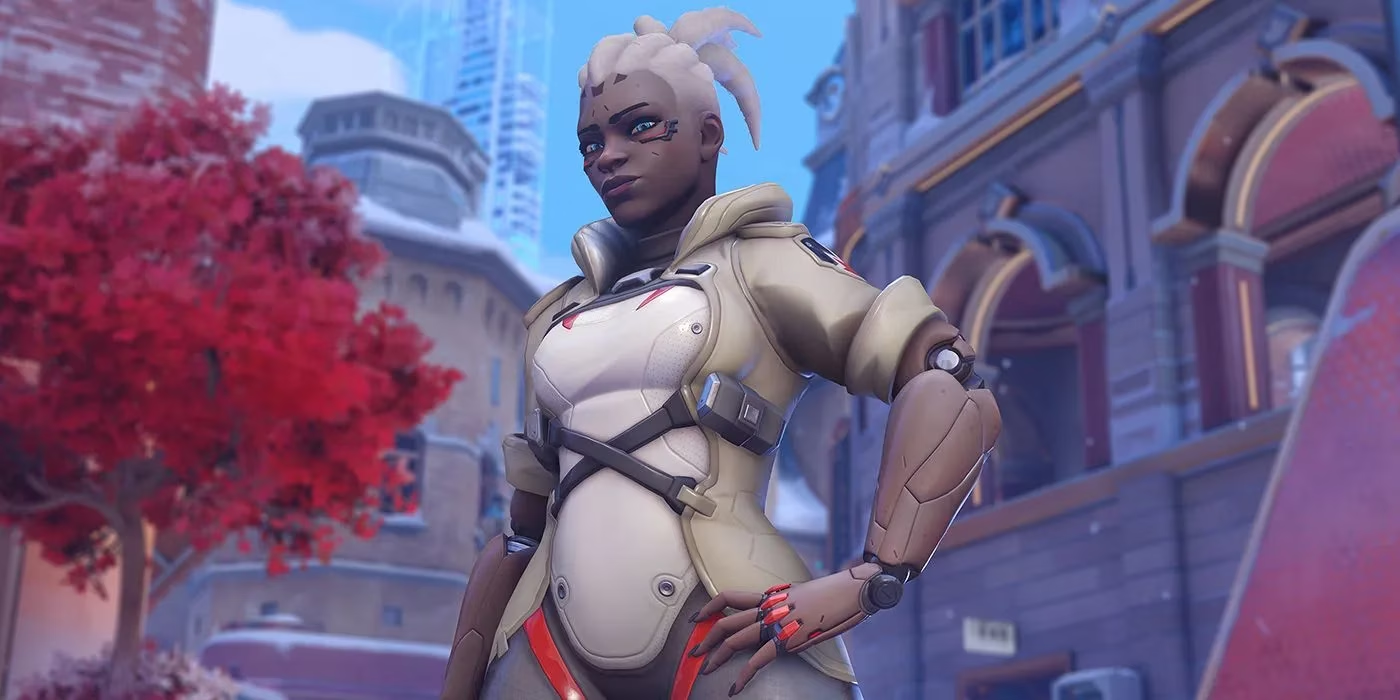
When the beta finally went live, it wasn't just a preview—it was a statement. It gave us our first real taste of the sequel's new direction: 5v5 combat, a fresh damage hero named Sojourn, four sprawling maps, the Push game mode, and long‑awaited reworks for several fan‑favorite heroes. At the time, I remember thinking, "Is this really enough to recapture the magic?" The answer, it turns out, was an emphatic yes—and then some.
Sojourn: From Beta Mystery to Meta Anchor
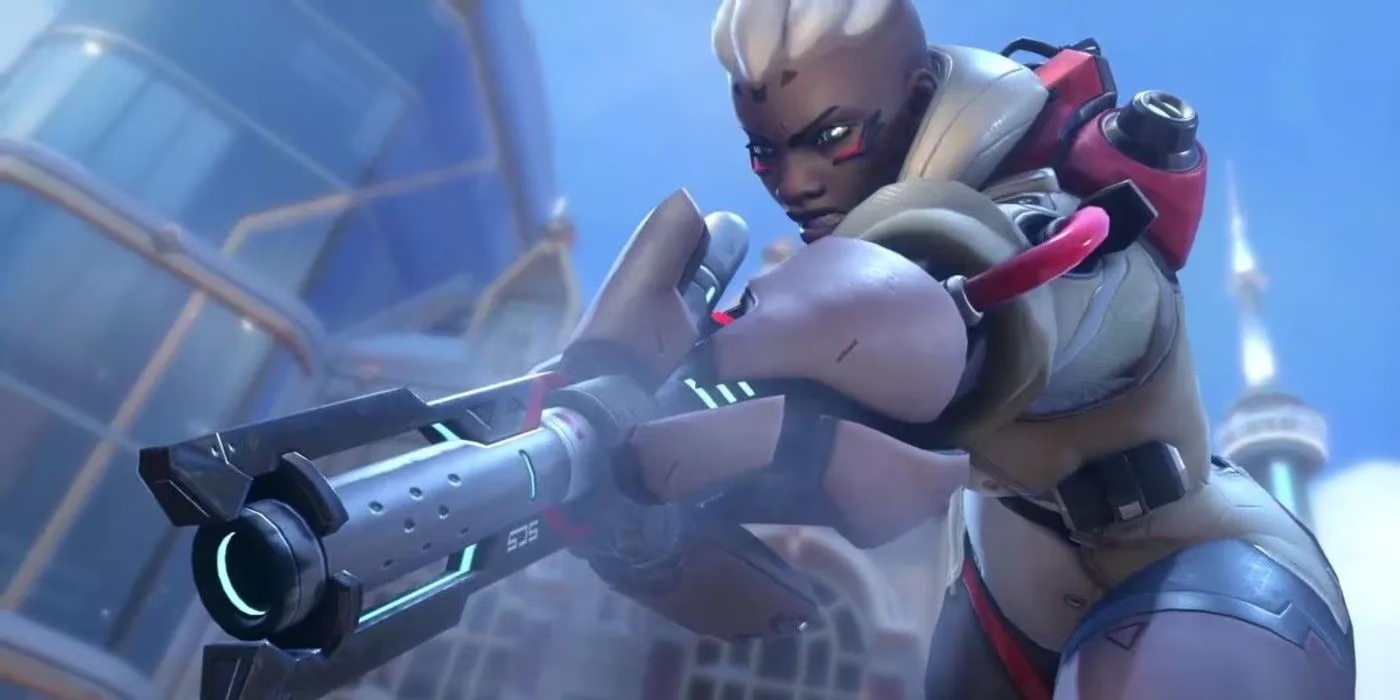
Sojourn was the biggest question mark when I first loaded into the beta. She had been teased as far back as 2019 but never playable. The railgun‑wielding Canadian quickly proved to be a high‑skill hero that rewarded precision. Her primary fire offered a fast‑firing projectile spread, while alt‑fire charged up a devastating hitscan shot—think Widowmaker mixed with Soldier: 76. In the beta, many of us struggled to make her work, but the potential was undeniable.
Now in 2026, Sojourn is a cornerstone of the DPS lineup. The beta feedback directly influenced the balance adjustments that followed, from railgun charge decay to movement cooldown tweaks. It’s incredible to see how a hero who started as a bold promise has matured into a beloved pick with multiple skins, highlight intros, and a dedicated player base. The fact that she’s the first Black female hero in the franchise only adds to her significance.
Maps & Push: A Tug‑of‑War That Changed Everything
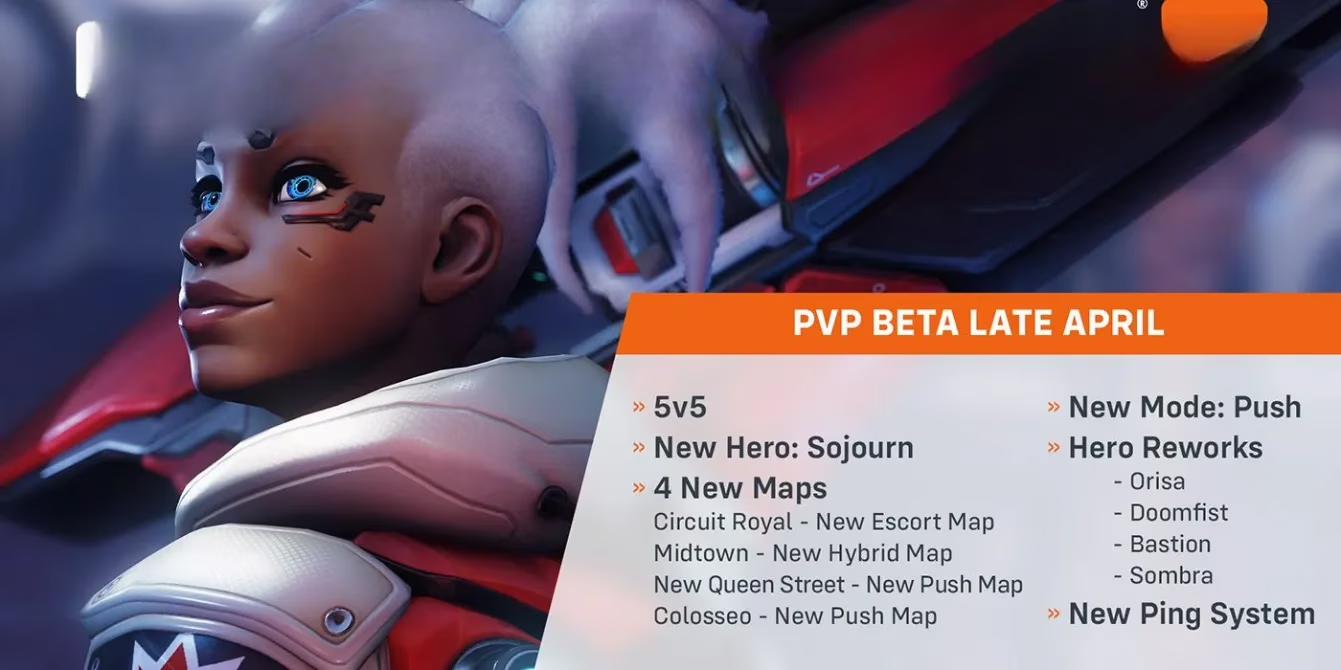
The beta showcased four maps: Colosseo, New Queen Street, Circuit Royal, and Midtown. Back then, Colosseo and New Queen Street were dedicated to the brand‑new Push mode, while Circuit Royal served as an Escort map, and Midtown arrived as a Hybrid. I distinctly remember the chaotic beauty of Push—both teams fighting over a robot in the middle, then escorting it toward the enemy spawn like a reverse tug‑of‑war.
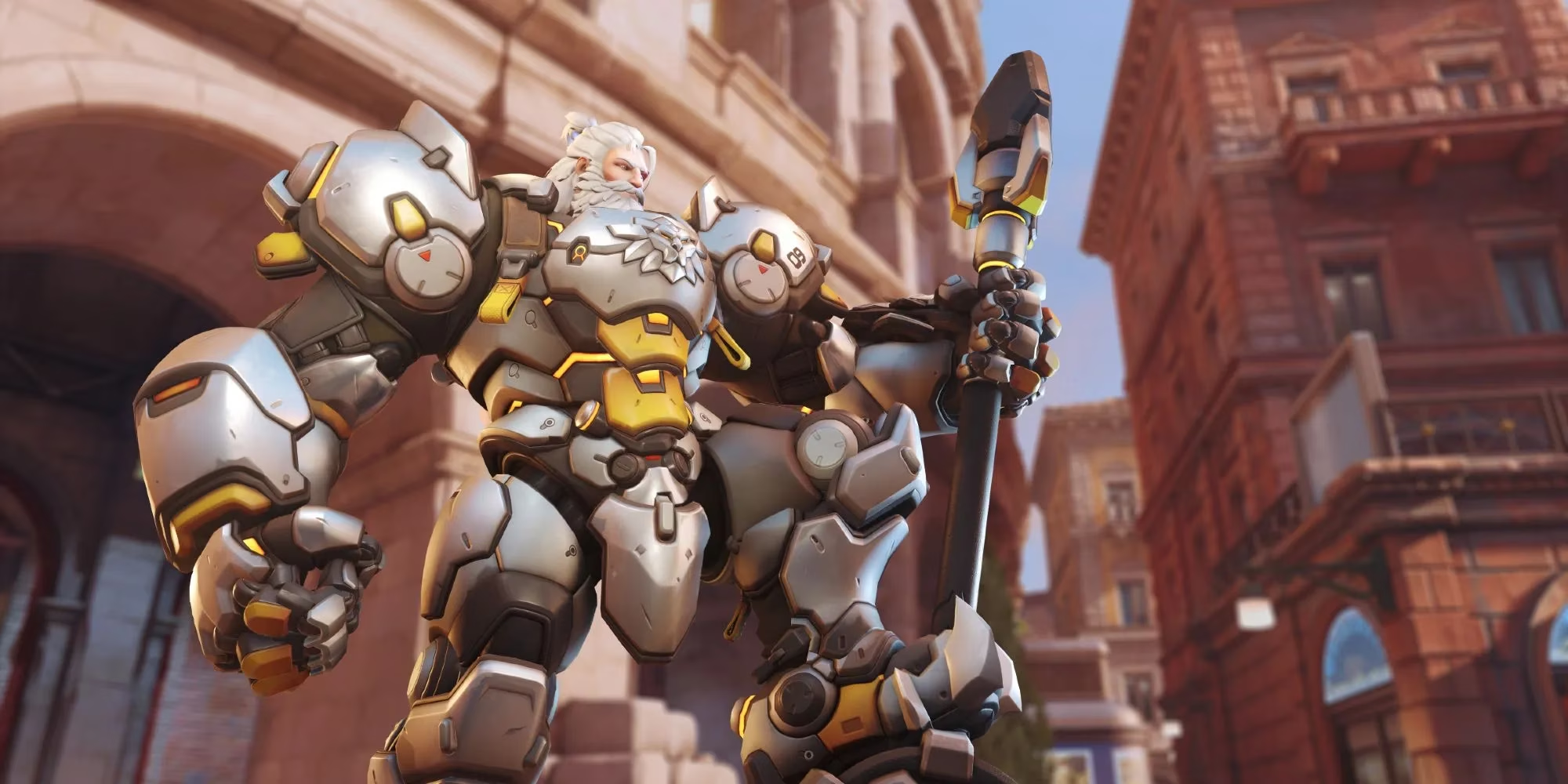
Did it feel perfect right away? Not at all. Flank routes were either too strong or too confusing, and spawn distances sparked heated debates. But those beta weekends gave Blizzard exactly the data they needed. Fast‑forward to today, and Push has become my favorite mode—tightly balanced with additional lanes, smarter robot pathing, and a flow that rewards aggressive team play. All four original maps have seen visual and layout updates, and now they coexist with a series of stunning new battlegrounds that grew the map pool to over a dozen.
Hero Reworks: Bastion, Sombra, and the 5v5 Effect
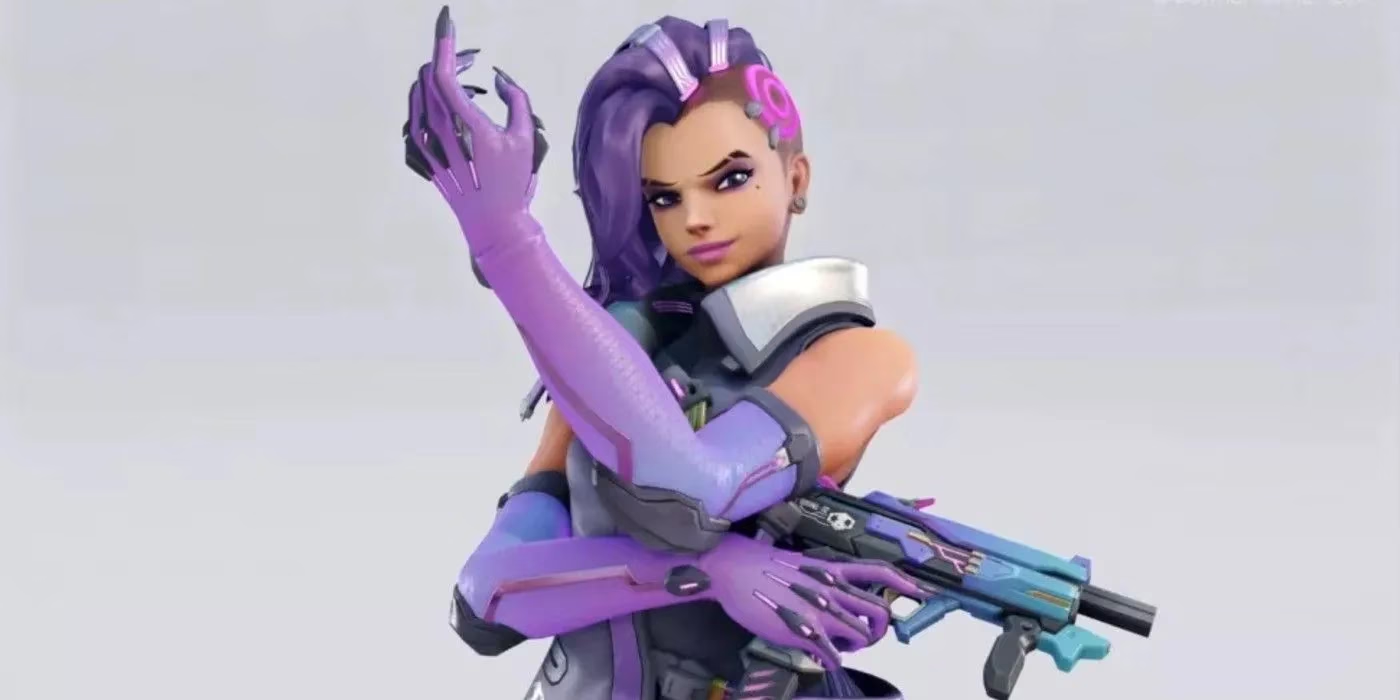
The beta also gave us the first wave of hero reworks, and oh boy, were they controversial. Bastion traded his self‑repair for an explosive bouncing projectile and an artillery‑style ultimate; Sombra’s hack became more lethal but required smarter positioning; Orisa and Doomfist received kit overhauls that essentially turned them into new heroes. I’ll admit, losing classic Bastion setups felt weird at first. But looking back, those changes were essential for the 5v5 environment, where every hero needs more individual impact.
By 2026, the rework philosophy has become a pillar of the live service. Nearly every original hero has received at least one ability update to keep pace with new releases. Sombra’s ability to see hacked targets through walls, for instance, has been fine‑tuned multiple times based on win‑rate data that started flowing the moment the beta hit. The community’s voice from that first test is still echoing in the patch notes today.
Beyond the Beta: Weather, PvE, and the Living Game
The beta also hinted at features that wouldn’t fully blossom until later—dynamic weather on maps and a much‑anticipated PvE campaign. While the weather system impressed us in early demos, it wasn’t until the full launch that we saw rainstorms on Route 66 or blizzards in Nepal. The PvE mode, although delayed, eventually arrived and expanded the lore in ways the original Overwatch never did. Even now, seasonal events tie back to story threads first seeded during that 2022 beta period.
So, where does this leave us in 2026? I look at my hero gallery, now featuring over 10 new additions post‑beta, a polished Push leaderboard, and cross‑progression that finally unifies my console and PC accounts, and I realize how pivotal that April preview was. It wasn’t just a demo—it was the moment the community collectively helped shape the Overwatch 2 we play today. We doubted, we tested, we complained on Reddit, and eventually we built something better together.
If you never got to try that original beta, you missed a raw, imperfect, but incredibly exciting turning point. But if you’re hopped into quick play tonight and notice how smooth everything feels, pour one out for the brave souls who suffered through the day‑one flanks on New Queen Street. We walked so you could run.
As the game continues to evolve, it’s clear that staying updated with the latest features, heroes, and strategies is essential for any Overwatch 2 player. Whether you’re diving into competitive matches or exploring new PvE content, having the right setup can make all the difference. From upgrading your peripherals to finding the best deals on gaming gear, it’s worth doing a little research to get the most out of your experience.
If you’re looking to enhance your gaming setup without breaking the bank, you can compare prices here to find deals on everything from headsets to monitors. Staying equipped with the right tools not only helps you perform better but also makes every match feel more immersive and rewarding. Happy gaming!
Comments