I still remember sitting through BlizzCon 2021, starving for any scrap of Overwatch 2 news. After the sequel was unveiled at BlizzCon 2019, Blizzard went quiet. Man, that dry spell felt endless. So when the developers rolled out a nearly 40-minute behind-the-scenes presentation, I leaned in like a kid at a campfire. It was not just a teaser; it was a proper look at four returning heroes, two new maps, updated enemy behavior, and the technology powering the sequel. Now, in 2026, Overwatch 2 has been live for years, but that presentation remains a fascinating snapshot of how the team wanted to evolve its cast.
The Art Philosophy Behind the Updates
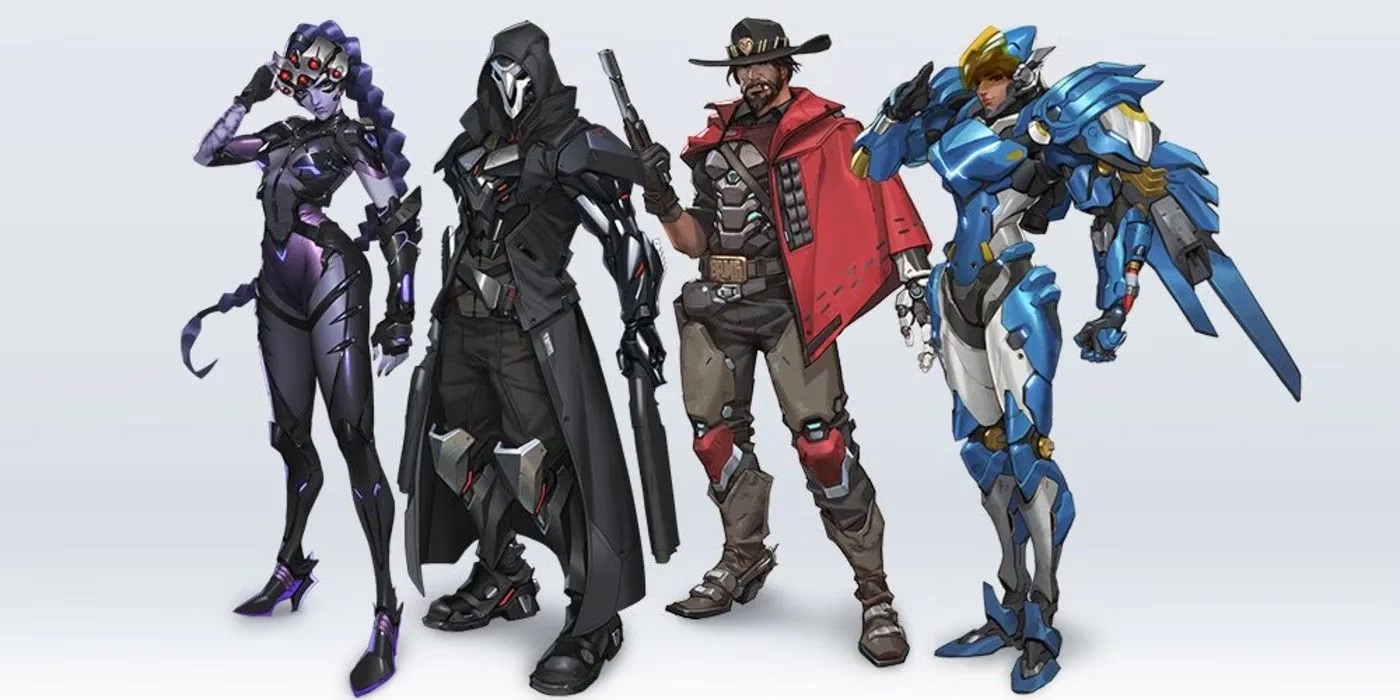
Arnold Tsang, Overwatch 2's character art director, explained the guiding idea. The team wanted to show the growth and evolution of each character while still preserving their legacies. They aimed for a more technical look: techy fabrics, intricate but polished straps, and designs that felt aesthetically pleasing. That philosophy showed up in every reveal.
Four Heroes, Four New Looks
Cole Cassidy (Then McCree)
McCree was the first hero shown off. The art team preserved his classic cowboy silhouette while giving him a more grizzly, aged appearance. In 2026, we know him as Cole Cassidy, since the name change came later in 2021. The updated design made him look like he had weathered more than a few dust storms.
Pharah
Pharah did not get a drastic model change. Instead, the team played with her armor's color scheme, bringing it back to Overwatch's original white and blue. Her helmet also changed: the visor became more transparent, making her face more visible. I appreciated that choice, because she always felt a little hidden behind that glass.
Reaper
Reaper received a more militaristic look instead of his ghostly appearance from the first Overwatch. His iconic mask shifted from bone white to metallic silver. The change made him feel sharper and more tactical, less like a Halloween spook and more like a professional nightmare.
Widowmaker
Widowmaker went for a more cyberpunk aesthetic. She gained more armor and ditched her ponytail for a long, braided hairstyle. The braid gave her a sleek, dangerous elegance that matched her cold precision.
| Hero | Key Art Changes | Overall Vibe |
|---|---|---|
| Cole Cassidy (McCree) | Aged, grizzly cowboy look; classic silhouette preserved | Weathered gunslinger |
| Pharah | White and blue armor; more transparent visor | Classic but clearer |
| Reaper | Militaristic outfit; metallic silver mask | Tactical and sharp |
| Widowmaker | More armor; long braid instead of ponytail | Cyberpunk assassin |
New Maps and Updated Enemies
The presentation also showed two new maps: Rome and New York City. That was exciting for me, because new locations give every match a different rhythm. The developers also discussed updated enemy behavior and the new technology they were using to build Overwatch 2. After so much silence, seeing actual gameplay systems felt like a gift.
At the time, Overwatch's last new hero before the sequel was Echo, the 32nd hero. The first game had also received smaller changes, like a flexible role queue option that helped players jump into matches quicker while earning priority passes. Those passes let players move to the front of longer queues, which was almost always the damage line. As someone who often queued for damage, I felt that pain.
What It Meant for the Future
A release date was not announced during BlizzCon 2021. It was also unclear whether Blizzard would release PlayStation 5 and Xbox Series X and S versions or stick with last-gen consoles, PC, and Nintendo Switch. Looking back from 2026, those uncertainties are part of why the presentation feels so nostalgic. The shift from working together at Blizzard HQ to working from home likely set things back, but the game eventually arrived with more content than originally anticipated.
I have to say, it was worth the wait. The technical fabrics, the polished straps, the silver mask, the braided Widowmaker—all of those choices became part of Overwatch 2's visual language. It is wild to think how a 40-minute video ended a drought and set expectations for years. In 2026, I can still trace the DNA of that BlizzCon 2021 showcase in the live game. And honestly? That makes me smile.
Final Thoughts
Overwatch 2 has changed a lot since 2021, but the BlizzCon presentation remains a key moment for me. It was the day the silence broke, the heroes got new coats of paint, and the future finally felt concrete. If you are a longtime fan, revisiting that showcase is like opening an old photo album—except the photos are full of armor, masks, and very stylish straps. 🎮
Comments