When I revisit the 2021 conversation about Overwatch 2, I feel like I am opening a time capsule. Back then, the sequel was still an anticipated mystery, a game that promised a new multiplayer mode, new playable heroes, and a strange but generous idea: players could carry progress and cosmetics over from the first Overwatch. In 2026, Overwatch 2 is a live, free-to-play, season-driven game, and the roster conversation is very different. Yet the core promise from that early coverage still matters to me: every hero from the first game returns, my account history still counts, and new heroes keep arriving.
The Foundation: Every Original Hero Still Matters
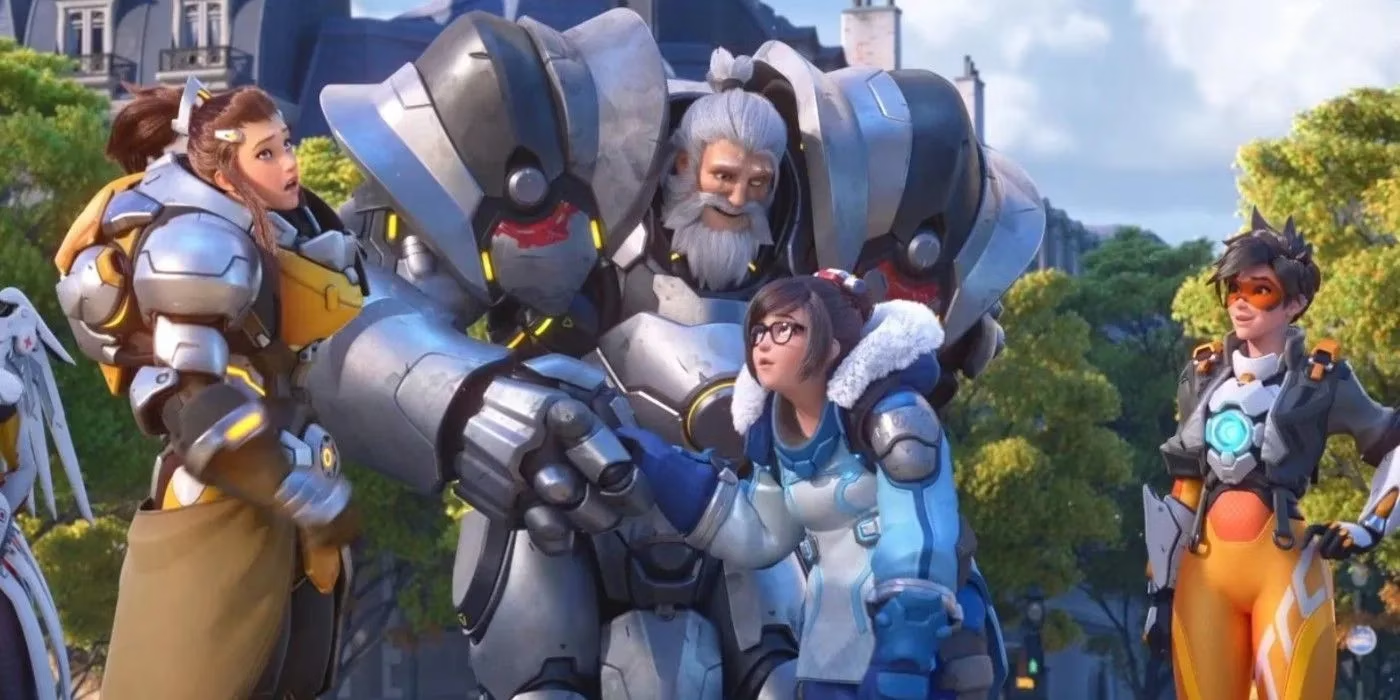
The first thing I want to make clear is that Overwatch 2 did not erase the old roster. It built on it. The original 32 heroes from the first game are still the foundation, and I still treat them as my baseline when I think about team compositions. For longtime players, that is a relief. I do not have to abandon a favorite hero, and I do not have to say goodbye to the progress I made with that character.
Here is how I mentally sort the returning core:
| 🛡️ Tank | 🎯 Damage | 💉 Support |
|---|---|---|
| D.Va, Doomfist, Orisa, Reinhardt, Roadhog, Sigma, Winston, Wrecking Ball, Zarya | Ashe, Bastion, Cassidy, Echo, Genji, Hanzo, Junkrat, Mei, Pharah, Reaper, Soldier: 76, Sombra, Symmetra, Torbjörn, Tracer, Widowmaker | Ana, Baptiste, Brigitte, Lúcio, Mercy, Moira, Zenyatta |
One small but important note: the hero once listed as McCree is now Cassidy. That name change is part of the game's history, and when I look at older roster lists, I automatically translate it in my head. The bigger point is that the old guard is intact. Ana still rewards precision and patience. Reinhardt still asks me to commit. Mercy still makes me watch the sky. The sequel did not replace those identities; it gave them a new home.
Sojourn and the First Wave of New Blood
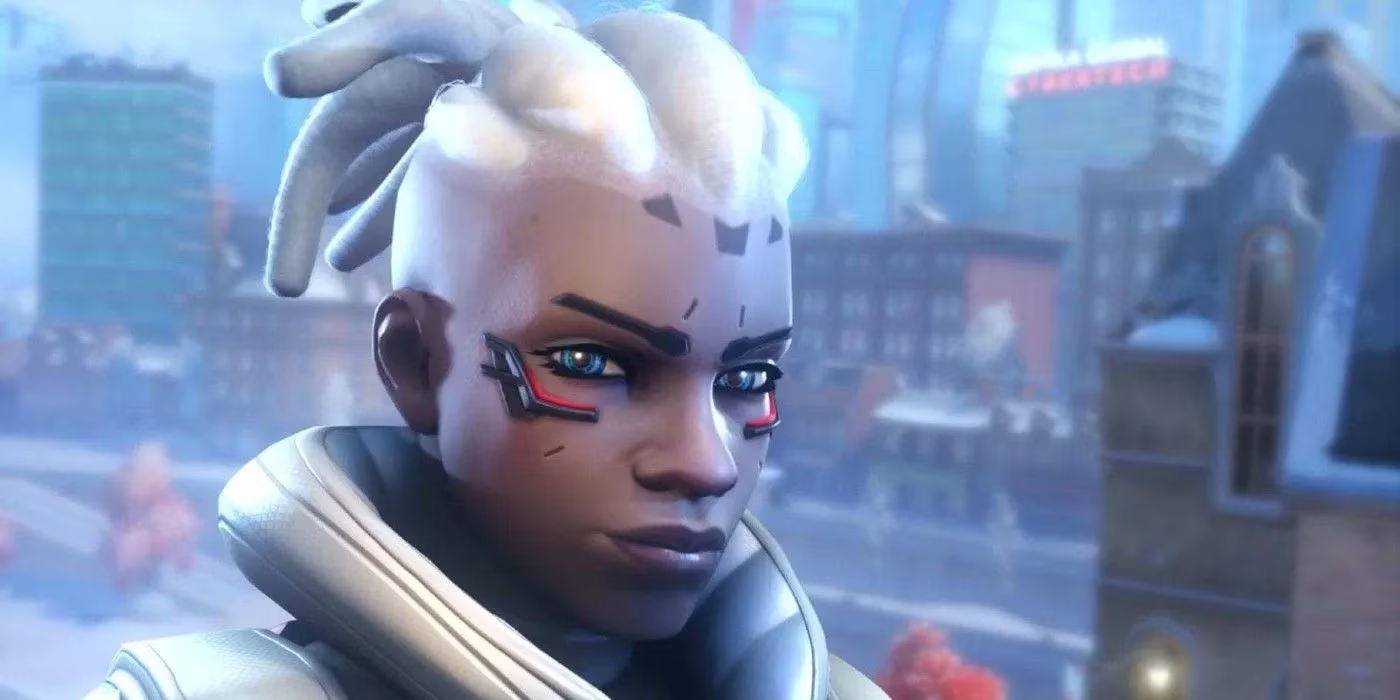
Sojourn was the name that jumped out of the early Overwatch 2 coverage. Players had known about her since at least 2016, when she appeared in the animated short Recall, and she was later confirmed as a playable hero when the game was announced at BlizzCon. In 2026, I see her as the bridge between the old promise and the live-service reality. Her railgun rewards charged shots and careful positioning, and she fits the faster, more mobile style that Overwatch 2 leans into.
Echo is another interesting case. At the time of the original article, Echo was the newest hero in the first Overwatch, a robot with rapidly adapting AI and a copy ultimate that could swing a fight. By 2026, she is no longer the new arrival. She is a familiar, flexible pick. That shift tells the real story of Overwatch 2: the roster does not stand still. Even the heroes who once felt fresh become part of the established order.
At launch, Blizzard also added Junker Queen and Kiriko alongside Sojourn, which made the early new-hero list feel bigger than the 2021 article could fully capture. Junker Queen gave tanks a loud, aggressive brawling identity. Kiriko gave support players a mobile playmaker with cleanse and teleport tools. For me, that was the moment the sequel started to feel like its own game rather than a simple extension of the first.
The Live-Service Roster in 2026
This is where the 2021 article becomes a foundation rather than a final answer. Overwatch 2 has spent years adding heroes through seasonal updates, and I keep a quick reference table for the ones that define the modern era:
| Hero | Role | What I notice most |
|---|---|---|
| Junker Queen | 🛡️ Tank | Aggressive brawling and wound pressure |
| Kiriko | 💉 Support | Cleanse, teleport, and fight-changing utility |
| Ramattra | 🛡️ Tank | Form-switching pressure and team protection |
| Lifeweaver | 💉 Support | Pulling allies out of danger |
| Illari | 💉 Support | Projectile pressure and healing turret |
| Mauga | 🛡️ Tank | Heavy brawling and sustained fire |
| Venture | 🎯 Damage | Burrowing angles and close-range disruption |
| Juno | 💉 Support | Mobility, orbit-style healing, and speed |
| Hazard | 🛡️ Tank | Spiked mobility and space control |
| Freja | 🎯 Damage | High-angle pressure and precision |
| Wuyang | 💉 Support | Flowing support tools and team sustain |
I do not list those names to pretend the roster is finished. I list them because they show how far the game has moved. The 2021 article said the confirmed list would continue to grow, and that prediction was correct. In 2026, the hero pool is deep enough that new players can find a role, a playstyle, and a personality without feeling forced into the original cast.
Why the Transfer Promise Still Feels Important
The transfer promise is still one of my favorite things about Overwatch 2. When the sequel launched, players could bring over progress and cosmetics from the first game, and that meant years of skins, emotes, and account history did not vanish. The practical transfer has already happened for most veterans, but the principle still shapes how I see the game. Overwatch 2 feels like a continuation, not a reset. I can keep my favorite hero, my favorite look, and my sense of history while still getting new maps, modes, and heroes.
That is also why I understand the early comparison to a World of Warcraft-style expansion. It is not a perfect comparison, but it captures the idea: the sequel adds a new layer rather than asking players to start from zero. For longtime fans, that is comforting. For newcomers, it means the game has a huge roster to explore, with old heroes and new arrivals standing side by side.
My 2026 Roster Check
If I were making a short list for a new player in 2026, I would say this:
-
🛡️ Start with Reinhardt or D.Va if you want to learn space and timing.
-
🎯 Try Soldier: 76 or Sojourn if you want familiar aim-driven damage.
-
💉 Pick Mercy or Kiriko if you want to learn support while feeling useful immediately.
-
✨ Branch out to Ramattra, Juno, or Hazard once you understand the pace of the game.
The 2021 article was right about one big thing: Overwatch 2 would keep growing its roster. In 2026, I see a game that kept its old heroes, added new ones, and turned the roster into a long-running conversation. I still enjoy checking the list, because every new hero changes the question of who I want to play next.
Comments