As I reflect on the journey from the original Overwatch to its highly anticipated sequel, Overwatch 2, I find myself grappling with a familiar yet persistent dilemma. The transition to a free-to-play model, structured seasons, and the welcome elimination of loot boxes signal Blizzard's intent to modernize the franchise, aligning it with contemporary live-service expectations. Yet, despite these systemic evolutions aimed at creating a more player-friendly ecosystem, a shadow from the past looms large. The core gameplay experience, for all its polish and new additions, remains haunted by the original game's most significant flaw: a relentlessly shifting meta that can alienate the broader player base. My experience with the various betas and updates leading into 2026 has solidified this concern, showing that while the wrapper has changed, the contents inside still face the same fundamental balancing act.
The Promise of Modernization and Its Limits
Blizzard's vision for Overwatch 2 as a premier live-service title is evident in its foundational changes. The shift to a seasonal model with battle passes provides a clearer, more predictable roadmap for content and rewards, a stark contrast to the sometimes opaque update cycles of the original. This structure is designed to manage player expectations and engagement over time. However, modernization extends beyond just business models; it must also encompass gameplay philosophy. The criticism that Overwatch 2's moment-to-moment action feels overly familiar to its predecessor is valid, but the surrounding framework—the "game around the game"—has undeniably evolved. The challenge, as I see it, is whether this new framework can successfully contain and manage the chaotic, ever-evolving nature of hero balance that defined the first game's lifespan.
The Perpetual Pendulum of Hero Viability
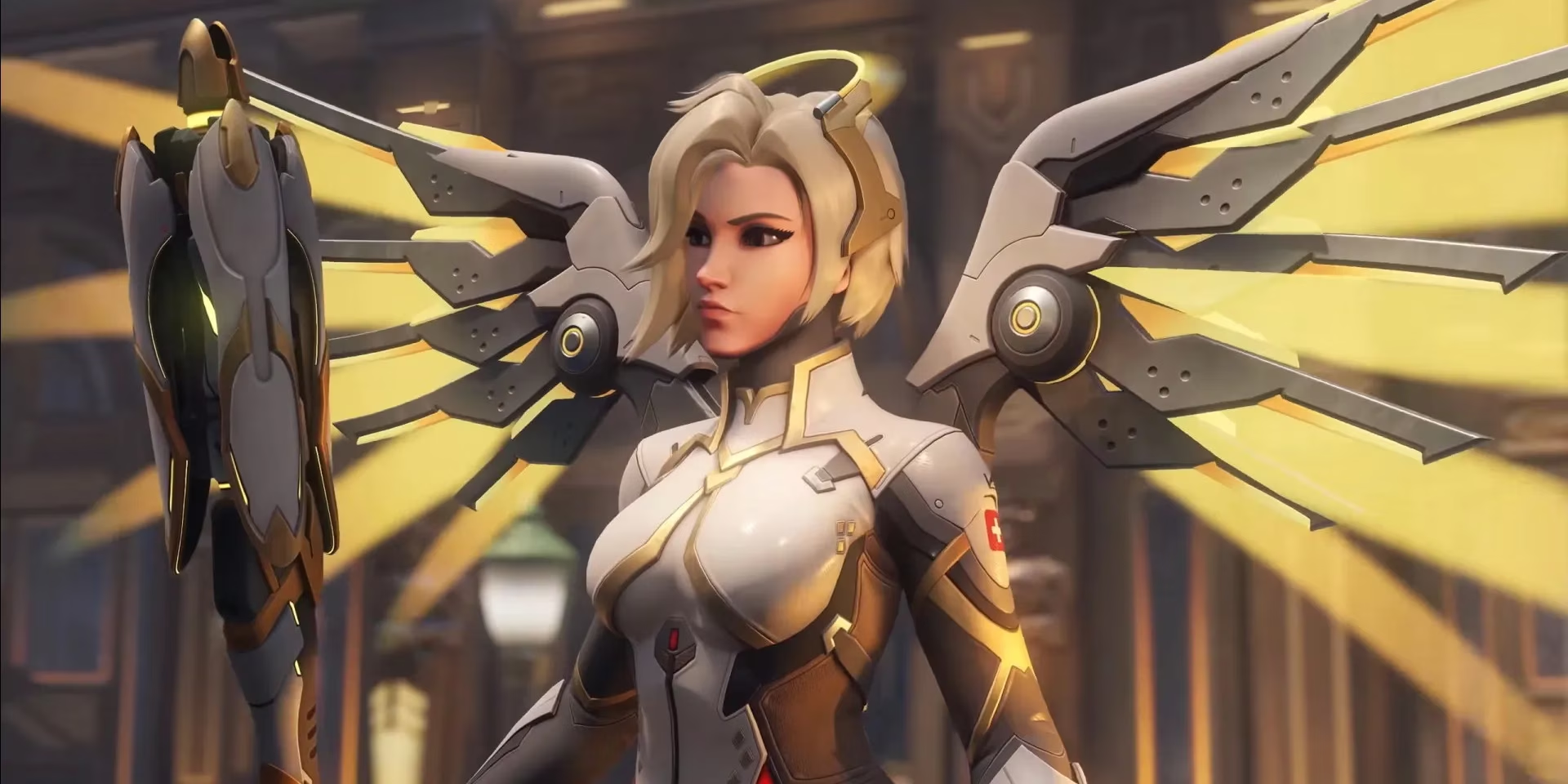
The heart of the issue lies in the heroes themselves. From the earliest beta phases, the community discourse has been dominated by calls for adjustments, buffs, and nerfs. I vividly remember the uproar surrounding changes to support heroes like Mercy. Her Guardian Angel ability, tweaked to provide extra vertical mobility, became a focal point of player discontent. While Blizzard was quick to acknowledge feedback and promise adjustments, this reactive cycle felt all too familiar. It highlighted a pattern: a change is implemented, the community reacts strongly (often negatively), and the developers scramble to reassess.
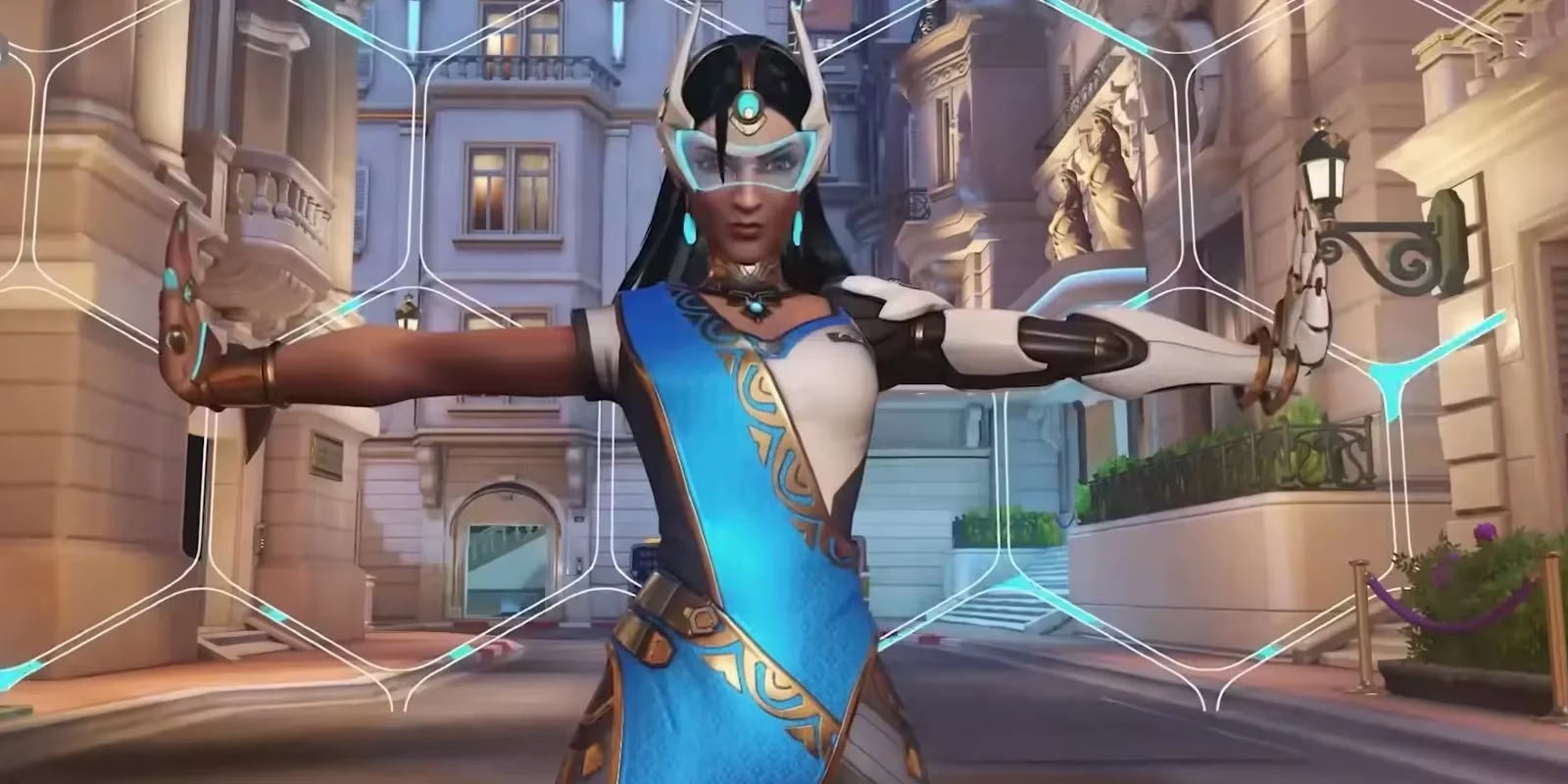
Conversely, other heroes have languished. The case of Symmetra is particularly emblematic. Her significant damage output reductions in earlier builds left many players, myself included, feeling she was stripped of her identity and impact.
This creates a frustrating dichotomy for players:
-
For Hardcore Enthusiasts: Constant changes keep the meta fresh and demand continuous adaptation, which can be engaging.
-
For Casual or Mid-Tier Players: Frequent, sweeping adjustments make it difficult to master a hero's nuances, leading to a sense of instability and frustration.
This volatility was the original Overwatch's Achilles' heel. Blizzard's patching habits often felt like a pendulum swinging wildly, overcorrecting based on the loudest feedback from the previous update. Heroes could move from being must-picks to irrelevant within a single patch cycle, rendering time invested in learning them feel wasted.
Navigating the Sea of Fan Feedback
A live-service game thrives on community engagement, but knowing how to engage is crucial. Overwatch 2's development team faces the Herculean task of sifting through a torrent of player feedback. The key is discernment. Not all vocal complaints represent the broader player base's needs or the game's long-term health. For instance, a hero might feel overpowered in a specific rank or playstyle but be balanced overall. Reacting to every outcry leads to the constant, destabilizing changes that plagued the first game.
Blizzard must cultivate a balance between:
-
Responsiveness: Addressing genuine, widespread issues that hinder gameplay enjoyment or competitive integrity.
-
Consistency: Allowing meta shifts to settle and be understood by the community before intervening.
-
Vision: Sticking to a coherent design philosophy for heroes, even if initial feedback is negative, to avoid creating "kitchen sink" characters designed by committee.
The Path Forward for a Lasting Legacy
As Overwatch 2 continues its live-service journey in 2026, the lessons from its predecessor and its own rocky beta periods are clear. The game's systems are now better equipped for a long-term future, but its soul—the balance between its diverse cast of heroes—remains in precarious equilibrium. To truly outlive and surpass the original, Overwatch 2 must solve this core paradox: how to keep the game dynamic and engaging for its most dedicated players without leaving the rest of its audience behind.
The solution isn't to stop balancing the game; stagnation is death for a live-service title. Instead, it's about adopting a more measured, data-informed, and philosophically consistent approach to updates. This might mean:
-
Longer intervals between major balance patches to allow the meta to develop organically.
-
More transparent communication about the why behind changes, not just the what.
-
Rank-specific adjustments where possible, using tools like the newer systems to tailor hero performance across different skill tiers.
In my view, Overwatch 2's success hinges on Blizzard's ability to be a wise curator of its own game. It must listen to its players but also guide them, shaping a stable yet evolving playground where strategy, skill, and hero mastery can flourish for everyone, not just those who can dedicate their lives to keeping up with the latest patch notes. The foundation is there; now it needs the steady hand to build upon it.
Comments