The enduring appeal of robotic characters in popular culture continues to thrive, with recent media like Pixar's Lightyear reminding audiences of the charm and complexity these mechanical beings can bring to a story. This fascination is deeply embedded in the video game industry, where robots have evolved from simple sprites to complex protagonists and companions, driving narratives and defining entire genres. Gamers have long been captivated by the adventures of sentient metal and circuits, a trend that shows no signs of slowing down. As we look at the landscape in 2026, certain titles stand out as iconic representations of robot-themed gaming, their legacies shaped by fan votes and enduring popularity.
The Timeless Legacy of Mega Man
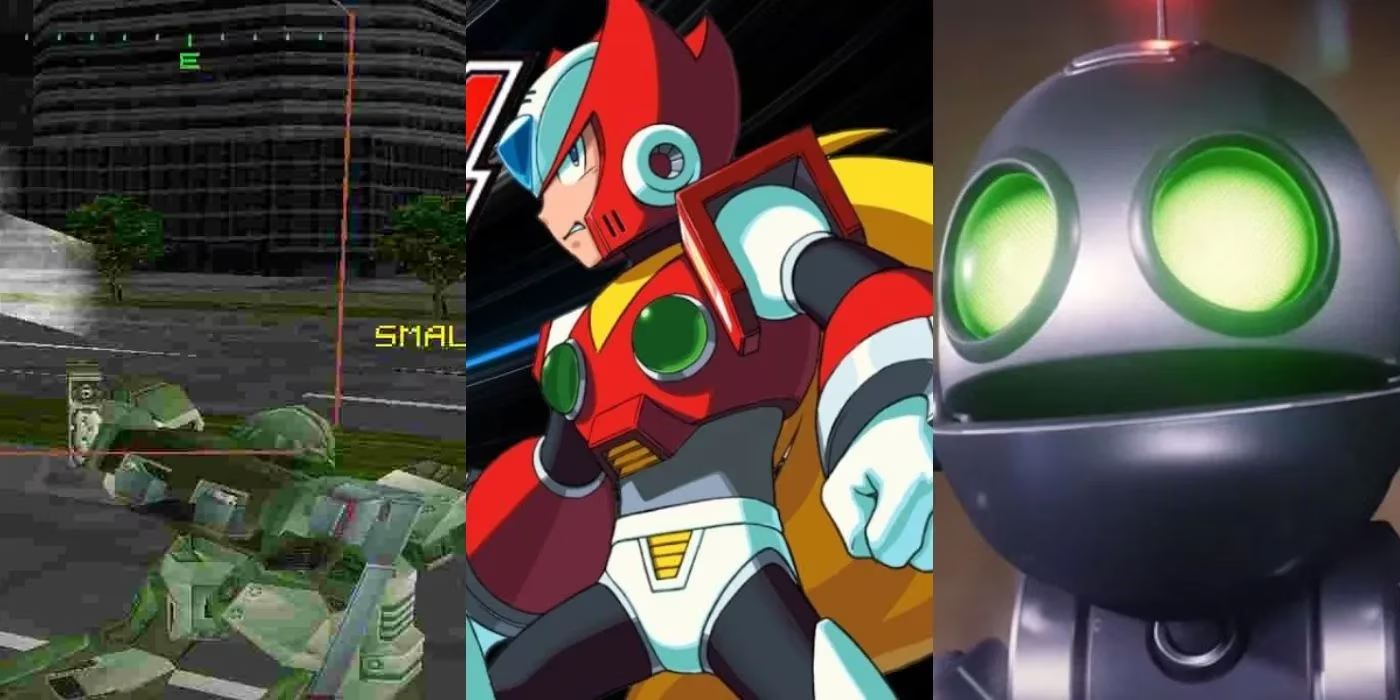
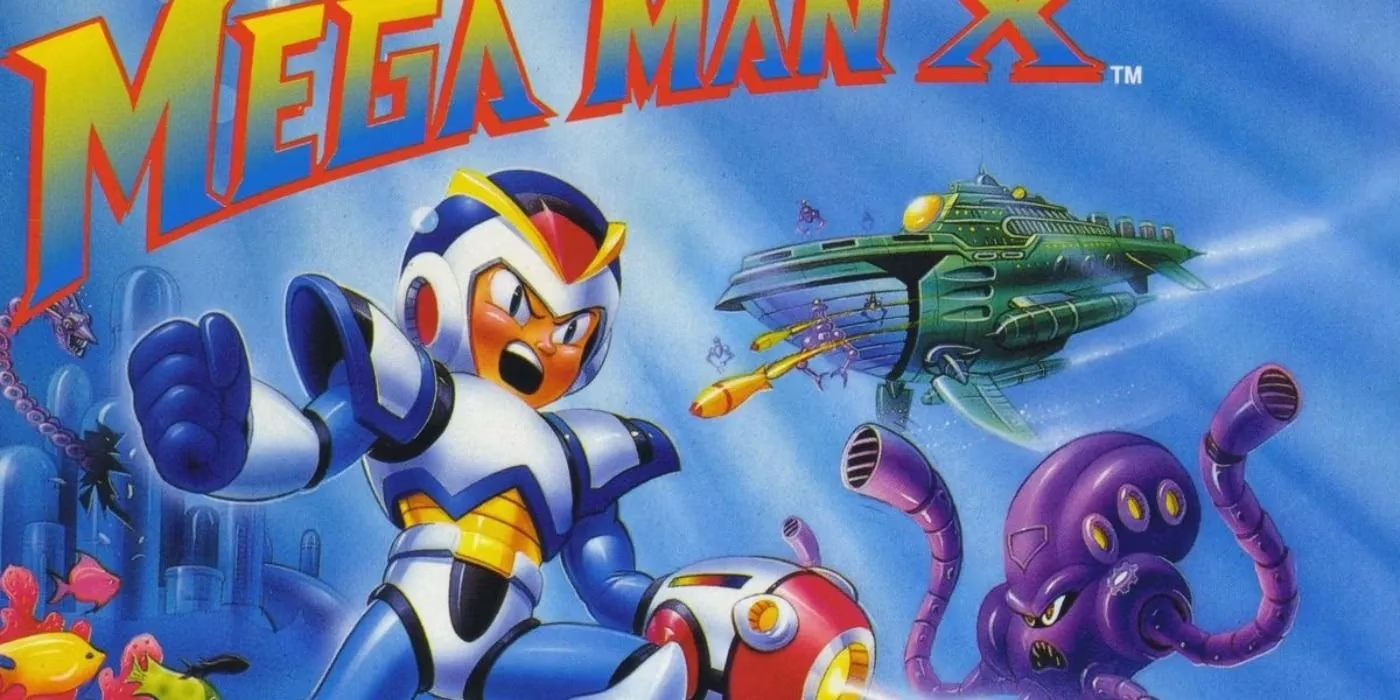
The Mega Man franchise is arguably the cornerstone of robot-themed gaming. Its various iterations have defined entire eras of play. The series' leap into the 16-bit era with Mega Man X was a watershed moment. This SNES classic served as a prequel, introducing the concept of Reploids—sentient robots—and pitting the hero against the rogue Sigma. Fans praised its more mature narrative while it retained the challenging, precision-based platforming the series was known for. This formula was refined in Mega Man X4, which brought the blue bomber into the 32-bit world. The game's innovative feature allowing players to choose between Mega Man X or Zero, each with a unique storyline, added significant depth to the action-platformer experience.
The original series also boasts legendary entries. Mega Man 2 is often cited as a high point, celebrated for its improved visuals, iconic soundtrack, and memorable Robot Masters like Quick Man and Metal Man. While some noted its slightly reduced difficulty compared to the first game, its design is considered masterful. Its direct sequel, Mega Man 3, is notorious for its brutal challenge, demanding pixel-perfect jumps and strategic weapon use to overcome its array of malfunctioning Robot Masters. The franchise wasn't afraid to reinvent itself, as seen in Mega Man Legends. This title boldly transitioned the iconic hero into a 3D action-adventure format with a new protagonist, Mega Man Volnutt, ditching traditional platforming for exploration of vast, mysterious ruins. Its successor, Mega Man Legends 2, built on this foundation with improved controls, a lock-on combat system, and a compelling quest for the mythical Mother Lode.
Beyond Platforming: Robots in Diverse Genres
The representation of robots extends far beyond side-scrolling adventures. The cooperative multiplayer shooter Overwatch features a vibrant roster where robots are integral to both gameplay and lore. Heroes like the adaptive Echo, the steadfast anchor Orisa, and the transforming Bastion offer unique playstyles. The game's world is deeply intertwined with the story of the Omnic race, sentient androids whose history raises questions of consciousness and equality, adding a rich narrative layer to the fast-paced team battles.
For a different kind of partnership, the Ratchet & Clank series remains unparalleled. The dynamic between the headstrong Lombax Ratchet and his small, intellectually brilliant robot companion Clank is the heart of the franchise. Clank is more than a sidekick; he provides essential gadgets, witty commentary, and a calming balance to Ratchet's impulsiveness, making him one of gaming's most beloved robotic characters. The 2016 remake beautifully showcased this partnership for a new generation.
FromSoftware, now a household name for challenging RPGs, has a deep history with mechanized combat in the Armored Core series. This third-person shooter/mech simulator casts players as a mercenary pilot, earning credits to extensively customize and upgrade their combat units. Praised for its deep customization and revolutionary (for its time) local multiplayer, it offers a gritty, tactical take on robot warfare focused on economics and engineering as much as combat.
Hideo Kojima's Zone of the Enders presents a sleek, high-octane vision of mecha combat. This hack-and-slash title with shooter elements was lauded for its breathtaking graphics on the PlayStation 2 and innovative 3D camera work. Its intricately designed orbital frames (mechas) were not just weapons; they could skate and fly with a fluidity that made piloting feel incredibly empowering, set against a narrative of a colonist defending his home.
Why Robot Characters Endure
🤖 Relatability in the Unfamiliar: Robots often serve as vessels to explore human themes—identity, purpose, and morality—in fantastical settings.
⚙️ Power Fantasy: Controlling a powerful, customizable machine like an Armored Core or an Orbital Frame fulfills a classic power fantasy.
💞 Emotional Anchors: Companions like Clank provide humor, heart, and stability, becoming emotional core of their stories.
🎮 Unique Gameplay: Robot characters often enable unique mechanics, from transformation sequences to complex upgrade systems, that define gameplay loops.
As technology advances and storytelling in games grows more sophisticated, the role of robots continues to evolve. They are no longer just enemies or tools; they are heroes, partners, and complex entities driving some of the medium's most memorable experiences. The titles listed here, from the classic challenges of Mega Man to the team-based synergy of Overwatch, represent the diverse and enduring ways video games have embraced our fascination with artificial life. Their continued popularity is a testament to the timeless appeal of embarking on an adventure, one bolt and circuit at a time.
Comments