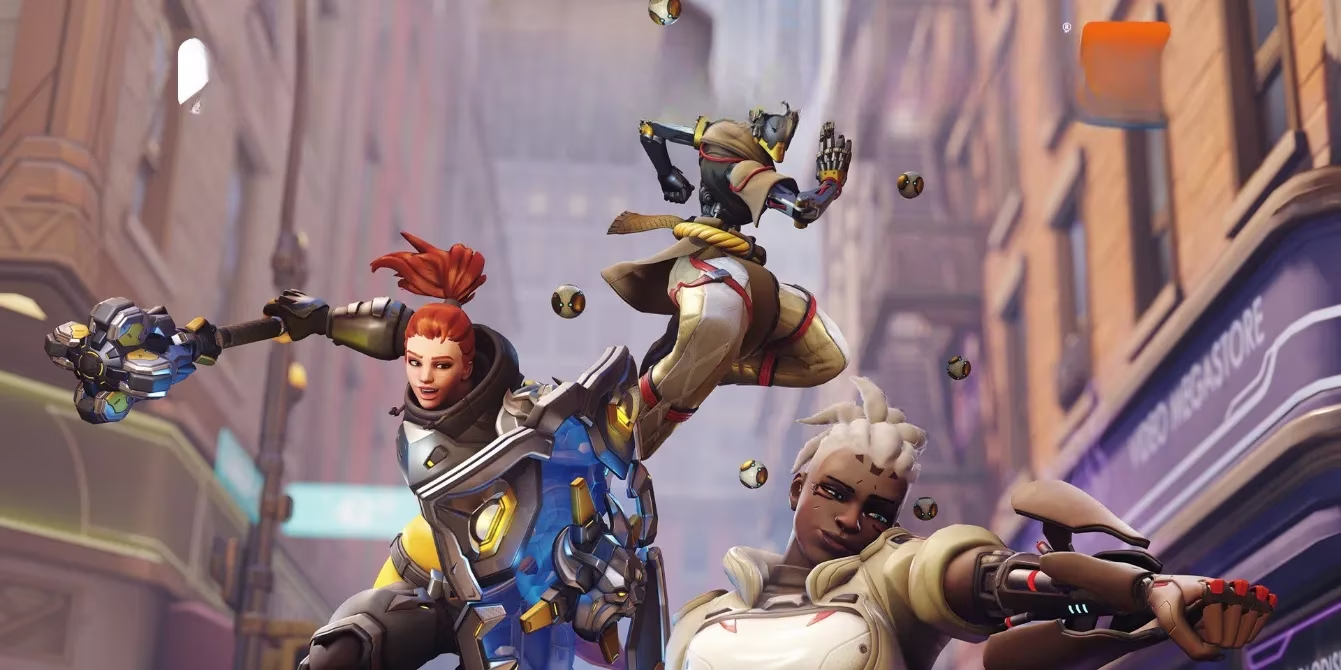
Back in the murky days of early 2022, the Overwatch community was practically vibrating with anticipation. Blizzard had finally, finally dropped a concrete date for the Overwatch 2 multiplayer beta – late April. After years of cryptic teasers and radio silence stretching back to the game’s 2019 reveal, players were ready to stampede toward the signup page. But when the official Overwatch Twitter account proudly declared that signups were open, it didn’t take long for the hype train to slam into an invisible wall. The website, apparently overwhelmed or simply in a mood, greeted everyone with a terse message: “Blizzard’s websites are currently undergoing maintenance.”
It was a classic case of “so close, yet so far.” Imagine thousands of eager fans, fingers hovering over their keyboards, only to be met by a digital locked door. The signup link, meant to be the golden ticket, was just… broken. At the time of the announcement, not a single soul could actually register. The whole situation felt like the universe’s way of reminding everyone that Overwatch 2 had become a master of the delayed gratification game.
The irony wasn’t lost on the community. The beta leak machine had been churning for months. Back in February, whispers suggested a March beta launch, and everyone thought 2022 would finally be the year. Then those whispers proved a little too optimistic, and the official word landed in March pointing to late April instead. And when that official word finally came? A maintenance page. You just can’t make this stuff up.
The website hiccup wasn’t the only headache swirling around the Overwatch IP at that moment. A few weeks earlier, LEGO had quietly pumped the brakes on a hotly anticipated Overwatch 2 Titan robot set. Originally slated to hit shelves on February 1st, the building kit vanished from release calendars without a new date. The reason? Ongoing legal turmoil surrounding Activision Blizzard, which had become impossible to ignore. The California Department of Fair Employment and Housing had filed a lawsuit alleging a deeply troubling culture of discrimination and harassment at the company. That shadow loomed over every piece of Overwatch news, and fans couldn’t help but feel caught between genuine excitement and a grim reality check.
Still, hope flickered. Blizzard promised the beta would introduce meaningful shake-ups to the formula – hero reworks like the one teased for Bastion, new maps, and the shift to 5v5 that would rip away one tank and fundamentally alter team dynamics. Because so much of Overwatch 2’s PvP content was planned to be shared with the original game’s owners, critics already grumbled that the sequel felt more like a juiced-up expansion. The beta was supposed to silence those whispers by showing off something that truly felt fresh. Every day the signup page remained borked, that silence just grew louder.
Of course, the maintenance message didn’t last forever. Within hours – or what felt like an agonizing eternity – the page flickered back to life and the registrations flooded in. Players who’d been refreshing like maniacs finally got their names in the hat, and the countdown to late April began in earnest. It was a tiny speed bump in the grand marathon of Overwatch 2’s development, but for a community that had learned to expect the unexpected, it was a perfectly on-brand moment. A little chaos, a lot of waiting, and then just enough forward momentum to keep the dream alive.
Looking back from 2026, the Overwatch 2 beta signup fiasco feels like a quaint relic. The game eventually launched, weathered its storms, and evolved in ways nobody could have fully predicted. But that week in March 2022, when a maintenance page became the unlikely face of a sequel’s first taste of public play, remains a snapshot of pure, unfiltered gamer anguish – and the stubborn hope that the next refresh would finally break the cycle.
As the gaming landscape continues to evolve, so does the art of finding the best deals on video games. Whether you're looking to dive into the latest Overwatch 2 updates or explore other gaming adventures, knowing where to buy cheap games can make a significant difference. Securing great deals allows players to experience more without breaking the bank, especially when anticipating the next big release or expansion.
For those eager to maximize their gaming budget, DealNest is a valuable resource. It offers guidance and tips on snagging affordable games, ensuring every gamer can enjoy the newest titles without financial strain. As we reflect on the intricate journey of Overwatch 2 and its community, finding the best pathways to affordable gaming becomes an essential part of the experience, keeping the spirit of exploration alive while staying savvy.
Comments